How to Calculate Valve Actuator Torque Requirements
Selecting the right actuator for an industrial valve is not simply a matter of matching the actuator size to the valve size. For quarter-turn valves such as ball valves and butterfly valves, torque is one of the key factors used to determine whether an actuator can operate the valve reliably.
If the actuator torque is too low, the valve may fail to open, close, or reach the required position. If the actuator is significantly oversized, the equipment may cost more than necessary and may create unnecessary mechanical stress.
This guide explains the main factors used to calculate valve actuator torque requirements and how to select a suitable actuator for an industrial valve.
1. What Is Valve Actuator Torque?
Torque is the rotational force required to turn a valve from one position to another.
For quarter-turn valves, the actuator normally rotates the valve stem through approximately 90 degrees.
The required torque can vary during the valve operating cycle. For example, a butterfly valve may require different torque at the beginning of opening, during rotation, and near the fully closed position.
For this reason, actuator selection should not be based only on one torque value.
The main factors include:
- Valve type
- Valve size
- Operating pressure
- Fluid characteristics
- Seat design
- Stem friction
- Operating temperature
- Required safety margin
2. Basic Valve Torque Calculation
A simplified relationship can be expressed as:
Required Actuator Torque = Valve Operating Torque × Safety Factor
For example, if a valve requires 100 Nm of operating torque and the selected safety factor is 1.25:
100 Nm × 1.25 = 125 Nm
The actuator should therefore provide at least 125 Nm under the required operating conditions.
However, this is only a simplified calculation. Actual actuator sizing should use the manufacturer's torque data and the valve manufacturer's recommended operating torque.
3. Identify the Valve Type
The first step is to identify the type of valve being actuated.
Different valve designs have different torque requirements.
Ball Valves
Ball valves generally require torque to overcome:
- Seat friction
- Stem friction
- Differential pressure
- Packing friction
Seat design can have a significant effect on the required torque.
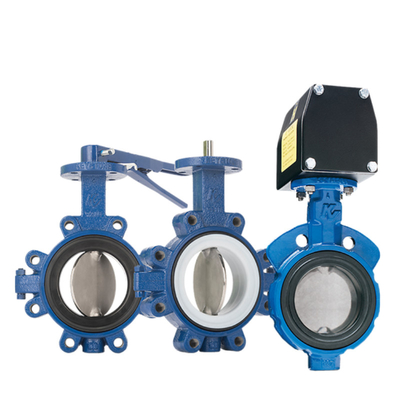
Butterfly Valves
Butterfly valve torque can depend on:
- Disc position
- Seat material
- Differential pressure
- Fluid velocity
- Shaft and bearing friction
Torque requirements may change considerably throughout the valve stroke.
Plug Valves
Plug valves can require relatively high torque because of friction between the plug and valve body.
The valve manufacturer should normally provide torque data for actuator selection.
4. Check Operating Pressure
Differential pressure is another important factor.
When pressure acts across the valve, it can increase the force resisting valve movement.
For some valve designs, the effect of differential pressure on torque can be significant, particularly at higher pressures.
Therefore, collect:
- Maximum differential pressure
- Normal operating pressure
- Minimum operating pressure
- Upstream pressure
- Downstream pressure
Do not size an actuator only according to the normal operating pressure if the valve may experience higher differential pressure during operation.
5. Consider Valve Seat and Packing Friction
Friction is one of the main contributors to valve operating torque.
Seat material and design can change the torque requirement significantly.
For example, soft-seated and metal-seated valves may have different operating characteristics.
Packing friction around the valve stem can also contribute to the total required torque.
For this reason, two valves with the same size and pressure rating may require different actuator torque.
6. Determine Breakaway, Running and Seating Torque
For many quarter-turn valves, it is useful to consider different torque points rather than using one number.
Breakaway Torque
This is the torque required to start moving the valve from the fully closed or fully open position.
Breakaway torque can be relatively high because of static friction and seat loading.
Running Torque
Running torque is the torque required while the valve is moving through its operating range.
Seating Torque
Seating torque is the torque required to move the valve into the final closed position and achieve the required shutoff.
For actuator sizing, the highest relevant torque requirement should be considered.
7. Add an Appropriate Safety Factor
A safety factor provides additional actuator capacity above the calculated or specified valve torque.
For example:
Valve Torque = 200 Nm
Safety Factor = 25%
Required Actuator Torque = 200 × 1.25 = 250 Nm
The actual safety factor should not simply be chosen arbitrarily.
It depends on:
- Valve design
- Manufacturer recommendations
- Operating conditions
- Actuator type
- Service criticality
- Available actuator sizes
Excessive safety margins can result in unnecessary actuator oversizing, while insufficient margin may cause unreliable valve operation.
8. Pneumatic vs Electric Actuator Torque
The method used to evaluate actuator capacity also depends on actuator type.
Pneumatic Actuator
For a pneumatic actuator, output torque is affected by:
- Air supply pressure
- Actuator size
- Piston or diaphragm design
- Spring configuration
- Friction
- Operating position
For a spring-return actuator, available torque may differ between opening and closing directions.
The actuator torque table should therefore be checked at the actual air supply pressure.
Electric Actuator
For an electric actuator, important factors include:
- Rated output torque
- Starting torque
- Running torque
- Seating torque
- Operating speed
- Duty cycle
- Power supply
The actuator should provide sufficient torque throughout the required operating cycle.
9. Example of a Simple Torque Calculation
Suppose a quarter-turn valve has a manufacturer's specified maximum operating torque of:
150 Nm
Assume a 20% sizing margin is required.
The calculation is:
150 Nm × 1.20 = 180 Nm
The selected actuator should therefore provide at least 180 Nm at the relevant operating condition.
If the actuator is pneumatic, this value must be checked against the actuator's actual output torque at the available air pressure.
If the actuator is electric, the rated torque and operating characteristics should be checked against the valve requirement.
This example is intended to explain the calculation method. Actual actuator selection should use the valve and actuator manufacturer's technical data.
10. Common Mistakes in Actuator Sizing
Several mistakes can lead to incorrect actuator selection.
Using Valve Size Alone
A larger valve does not automatically require a proportionally larger actuator.
Torque depends on valve design, pressure, seat construction and operating conditions.
Ignoring Maximum Differential Pressure
Sizing based only on normal pressure can result in insufficient actuator capacity during high-pressure conditions.
Using Only One Torque Value
Breakaway, running and seating torque may be different.
Oversizing the Actuator
An oversized actuator can increase cost and may place unnecessary loads on the valve stem and mechanical components.
Ignoring Air Supply Pressure
For pneumatic actuators, the available air pressure directly affects actuator output.
Not Checking the Manufacturer's Torque Table
The valve manufacturer's torque data should be treated as an important reference for actuator selection.
11. Information Needed for Actuator Selection
When requesting an actuator quotation, provide as much of the following information as possible:
- Valve manufacturer
- Valve model
- Valve type
- Valve size
- Pressure rating
- Operating pressure
- Maximum differential pressure
- Operating temperature
- Fluid / medium
- Required shutoff
- Valve torque data
- Fail-open or fail-close requirement
- Pneumatic or electric actuator
- Air supply pressure
- Power supply
- Control signal
- Operating speed
Providing this information allows the supplier to check the actuator and valve combination rather than selecting an actuator based only on nominal valve size.
12. Final Selection
Calculating valve actuator torque starts with determining the actual torque required by the valve under its operating conditions.
The basic approach is:
1. Identify the valve type
2. Obtain the manufacturer's torque data
3. Check maximum differential pressure
4. Consider breakaway, running and seating torque
5. Apply an appropriate safety margin
6. Compare the requirement with actuator output torque
7. Verify the complete valve and actuator configuration
For industrial applications, actuator selection should consider the complete operating condition rather than relying on a simple valve-size-to-actuator-size chart.
We can supply pneumatic and electric actuators for industrial control and process valves, including solutions from Rotork, AUMA, Limitorque, SIPOS and other manufacturers.
If you are unsure about the required actuator size, provide the valve model, size, pressure, medium, operating conditions and available air or power supply. We can help check the required torque and actuator configuration.


 ¡Su mensaje debe tener entre 20 y 3.000 caracteres!